Smiley Cat: A Friendly Handwritten Font for Editorial Design
In the crowded landscape of digital publishing, establishing a distinct visual voice is just as critical as crafting compelling copy. For bloggers, magazine editors, and independent content creators, typography serves as the primary vehicle for tone. Smiley Cat, a simple yet expressive handwritten typeface from Script Amp, offers a unique solution for designers seeking to inject warmth and approachability into their layouts. Unlike rigid geometric fonts, this script font carries a natural rhythm that mimics human handwriting, making it an ideal choice for projects that prioritize connection over corporate sterility.
Understanding the Visual Personality of Smiley Cat
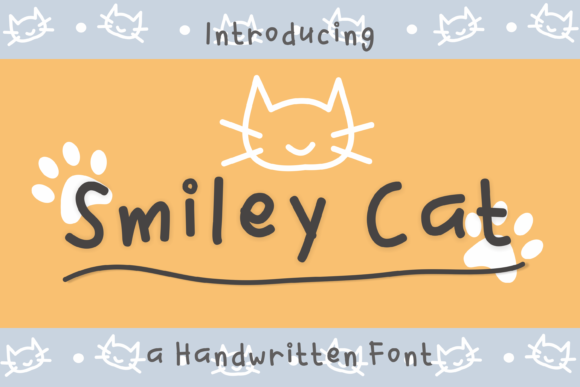
The appeal of Smiley Cat lies in its unpretentious charm. As a handwritten font, it avoids the excessive flourishes and complex ligatures that often hinder readability in modern web design. Instead, it presents clean, rounded strokes with a consistent baseline that feels both organic and structured. This balance is rare in the world of creative fonts. Many script fonts lean too heavily into casual messiness, while others feel too formal for lifestyle or personal branding contexts.
This typeface excels because it maintains legibility without sacrificing character. The letters flow naturally into one another, creating a sense of movement that guides the reader’s eye across headlines and short text blocks. For editorial designers, this means you can use Smiley Cat to create immediate emotional resonance. It suggests friendliness, accessibility, and a human touch—qualities that are increasingly valuable in an era dominated by AI-generated content and automated interactions.
Strategic Applications in Editorial Layouts
When integrating a display font like Smiley Cat into a publication, context is everything. This font is not designed for long-form body copy. Its strength lies in its ability to command attention in small doses. Here is how you can effectively deploy it across various content formats:
- Blog Headers and H1 Tags: Use Smiley Cat for main article titles on lifestyle, parenting, or wellness blogs. Its friendly demeanor invites clicks and reduces the intimidation factor of dense text.
- Magazine Covers and Feature Spreads: In digital magazines, this font works beautifully for cover lines and section dividers. It adds a layer of personality that standard sans serif fonts often lack.
- Ebook Titles and Chapter Openers: For cookbook authors, travel guide creators, or memoirists, using Smiley Cat for chapter headings creates a narrative pause. It signals a shift in tone and keeps the reader engaged through visual variety.
- Newsletter Graphics: In email marketing, particularly for creator newsletters, this font can be used in header images or pull quotes to break up monotony. It helps establish a consistent brand identity that subscribers recognize instantly.
- Printable Guides and Worksheets: If you design lead magnets, planners, or coaching workbooks, Smiley Cat adds a personal note to instructional text. It makes educational materials feel less like homework and more like a conversation with a mentor.
Building Visual Hierarchy and Reader Engagement
Effective editorial design relies on clear visual hierarchy. Readers scan content before they read it, looking for cues on where to focus their attention. Smiley Cat serves as an excellent accent typography tool to highlight key information. By pairing this handwritten font with a neutral body typeface, you create a contrast that directs the eye.
For instance, consider a recipe ebook. The ingredients and instructions should remain in a highly readable serif font or clean sans serif font to ensure clarity during cooking. However, the recipe title and introductory anecdote can feature Smiley Cat. This distinction separates the functional data from the emotional story, enhancing the overall user experience. Similarly, in a wedding guide or event program, this font can elevate simple details like dates and names into decorative elements that contribute to the event’s aesthetic.
Font Pairing Strategies for Modern Typography
To maximize the impact of Smiley Cat, thoughtful font pairing is essential. Because it is a script font with a relaxed vibe, it pairs best with structured, stable typefaces. Avoid combining it with other handwritten or overly decorative fonts, as this creates visual noise and reduces professionalism.
A classic approach involves pairing Smiley Cat with a modern serif font for body copy. The serif’s traditional authority balances the script’s casual nature, resulting in a sophisticated yet accessible look. This combination works well for literary blogs, opinion pieces, and curated magazines. Alternatively, pairing it with a geometric sans serif font creates a contemporary, clean aesthetic suitable for tech-focused lifestyle brands, startup newsletters, or minimalist design portfolios. The key is to let Smiley Cat shine as the star while the supporting font handles the heavy lifting of readability.
Readability Considerations Across Platforms
While Smiley Cat is inherently legible for a handwritten font, designers must remain mindful of medium-specific constraints. On mobile devices, screen real estate is limited. Ensure that headlines using this font are sized appropriately to prevent letterforms from merging on smaller screens. When exporting PDFs for printables or ebooks, check the resolution and kerning. Handwritten fonts sometimes require slight adjustments to spacing to maintain clarity in printed formats, especially at smaller point sizes.
For web design, consider loading times and browser rendering. Most modern browsers handle standard font files well, but always test your layout across different devices. If you are using Smiley Cat for social media graphics, remember that these images are often viewed quickly. Keep text short and impactful to ensure the message is conveyed instantly.
Licensing and Commercial Use
Before incorporating Smiley Cat into client projects or commercial products, review the licensing terms provided by Script Amp. Typically, premium fonts offer different licenses for personal use, commercial use, and enterprise-level applications. If you are creating digital products for sale, such as templates, printables, or paid newsletters, ensure you have the appropriate commercial font license. This protects your business and respects the intellectual property of the type designer. Proper licensing also ensures you have access to any updates or additional styles that may be released in the future.
In conclusion, Smiley Cat is more than just a decorative element; it is a strategic tool for building brand identity and enhancing reader engagement. By understanding its strengths and limitations, publishers and designers can use this font to create warm, inviting, and visually cohesive content that stands out in a saturated digital marketplace.